Lincolnshire is a unique county, shaped by its landscapes, its communities and the way people interact with the places around them. As a council, we are clear that new development must respect that character while supporting growth and opportunity.
The Better Streets for Lincolnshire Design Code sets out a straightforward expectation: that development should create places that are safe, resilient and work for the people who live in them. Good street design is not simply about appearance; it is about how a place functions day to day, how it manages water, supports movement, and responds to the real challenges we face, including flooding and long-term resilience. These are not abstract issues for Lincolnshire; they affect our communities directly, and we must ensure they are properly addressed in every new development.
This Design Code provides clarity for developers and confidence for communities. It brings together expectations on highways, drainage, and design into one clear framework, helping ensure development is considered properly from the outset and does not create problems for future generations.
We want to see development that fits with its surroundings, supports our rural and coastal communities, and delivers infrastructure that works. That means getting the basics right: connected streets, sustainable drainage, and layouts that are safe and practical. This Code will help us achieve that consistently across Lincolnshire.
I am pleased to support the introduction of Better Streets for Lincolnshire as an important step in raising standards and ensuring that growth in our county is both responsible and sustainable.
Better Streets for Lincolnshire represents a significant step forward in how Lincolnshire County Council sets expectations for the design, delivery, and long-term stewardship of development.
The Design Code brings together existing guidance relating to highways, drainage, flood risk, and placemaking into a single, coherent framework. Its purpose is to provide a clear and consistent point of reference for applicants, officers and stakeholders, covering the full lifecycle of development, from early concept through to adoption and ongoing maintenance. In doing so, the Code responds directly to national policy and current guidance, which emphasises the need for design codes to be measurable, place-specific and capable of being applied consistently in decision-making. Establishing a single, accessible standard will improve clarity for developers, reduce ambiguity in the planning process and support more efficient and robust outcomes.
A key element of this approach is the integration of a structured validation process. The accompanying checklist ensures that requirements are clearly understood at each stage of the planning process, reducing the need for repeated clarification and enabling more timely and consistent responses from the authority. Importantly, the Code is designed to be practical and deliverable. It has been developed through engagement with internal teams and external stakeholders and will continue to be tested to ensure it functions effectively across a range of development scenarios.
Ultimately, Better Streets for Lincolnshire is about achieving better outcomes: creating streets that are safe, well-connected, resilient to flood risk and capable of being adopted and maintained efficiently over the long term. By setting clear expectations from the outset, the Code will support higher quality development and stronger, more sustainable places across the county.
Streets are public assets. They must be safe, pleasant, durable and affordable to maintain. They keep people moving but they are not just for moving through. They are places to dwell in and enjoy, for our children to play and for neighbours to meet. They also support our county's prosperity, local businesses and neighbourhoods. They shape first impressions of our towns and villages. Getting design right the first time saves money and reduces disruption. We must create well-designed streets with simple landscaping, regular street trees and natural drainage. Streets that are fit for the future, mitigate flood risk and are better for our health, happiness and wellbeing.
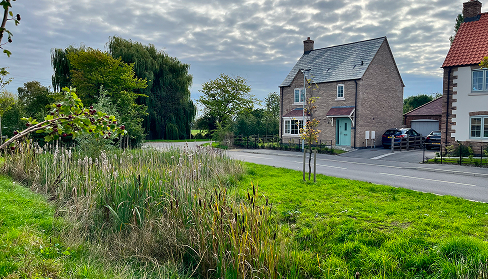
We will work with the landscape and existing places, not against them, protecting, valuing and retaining mature trees and waterways. By designing new streets that support compact and efficient layouts, we will safeguard Lincolnshire's precious farmland and open space.
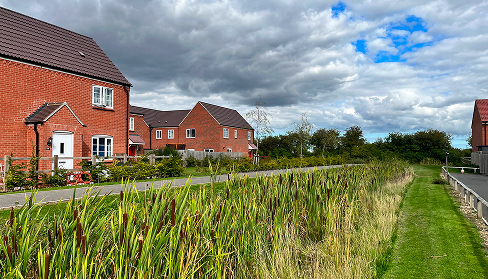
In order to create sustainable and resilient places, we will consider flood risk and surface water drainage at the earliest possible design stage.
We will support designs and layouts that minimise the amount of land and infrastructure that needs to be privately managed and maximise that which is to be adopted. The aim is to mitigate the need for burdensome fees and charges for new residents.
We will encourage trees, verges and planting that bring colour, shade and life. They should reflect the county's rural character without creating future revenue burdens. Greenery 'little and often' adds value to homes and businesses and underpins strong neighbourhoods. We do not charge commuted sums for trees in the highway.
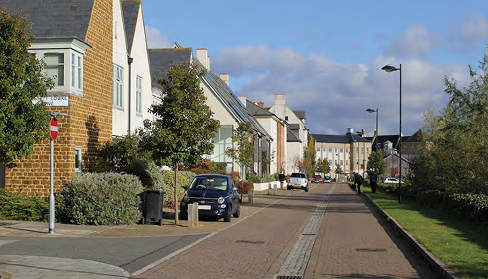
We will create direct, well-connected routes linking homes, shops, schools and workplaces by foot, bike, or public transport, as well as car access in a rural county.
We will encourage safer streets that put people first. This creates more independence for everyone including children and those with reduced mobility, as well as stronger communities and fewer collisions.
We will support designs that use the minimum of highway infrastructure necessary to make streets work properly. The starting point for any well-designed street is to begin with nothing and then add only what is necessary in practice.
We will use a simple palette of good-quality, readily available materials with proven performance and without complicated and unnecessary features. This means less repairs, less disruption, and less liability for taxpayers in the future. Good streets often outlive the buildings they serve and must also be able to adapt in the future.
We support beautiful, simple and durable design that reflects local character, from the Fens and Wolds to historic Lincoln. Street design, from tree planting through to signs and materials, should enhance the city, villages and towns we call home, not detract from them. We want beautiful streets we can be proud of, not ugly and cluttered ones.
Poor reinstatements are costly, unsightly and unpopular. We will support standard high quality construction details that make it easier to 'get it right' the first time, match surroundings, respect our towns and villages and protect taxpayers from defects.