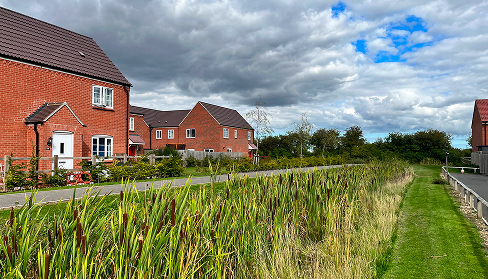
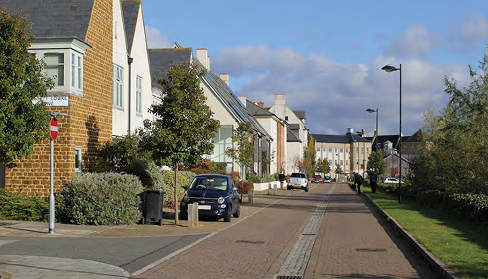
Better Streets: A Place-Led Highway Authority Approach
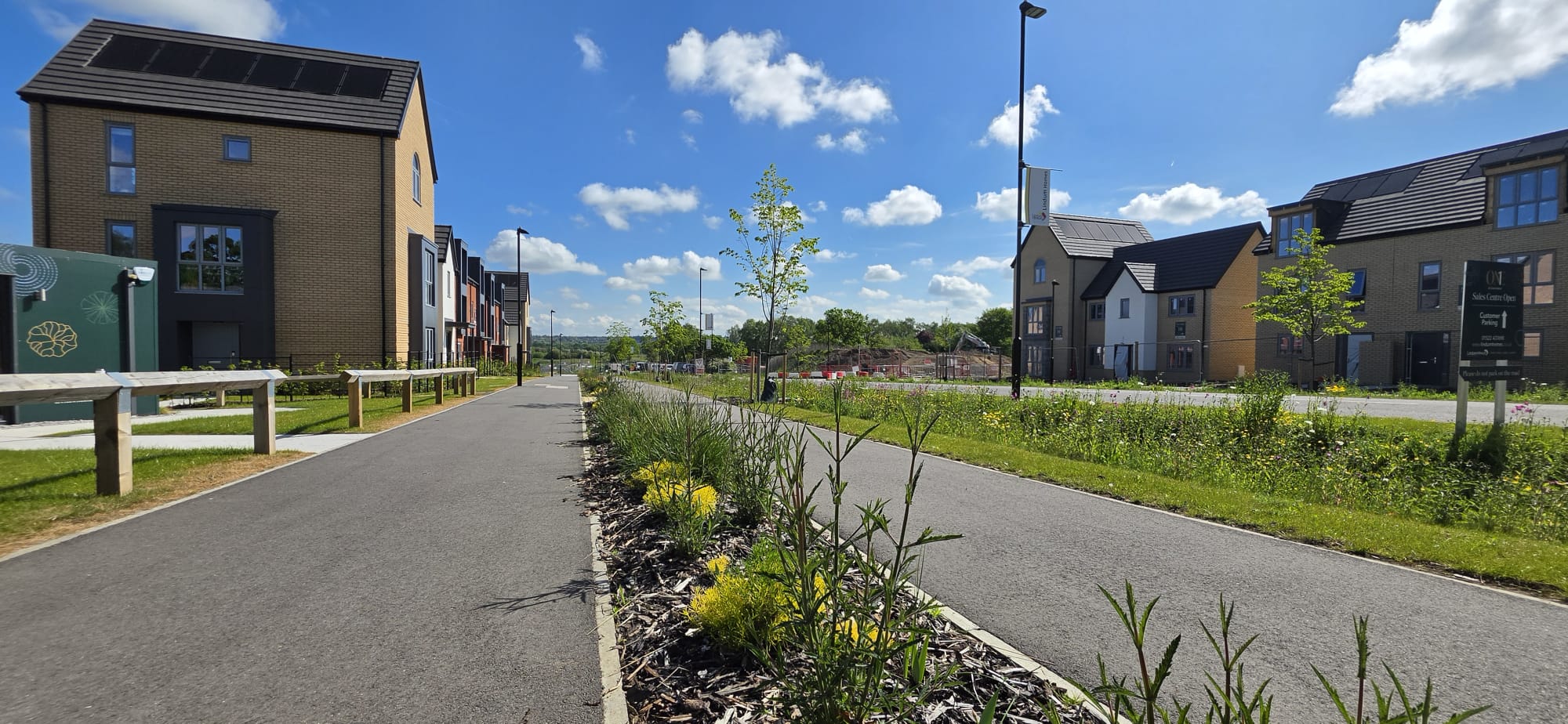
Lincolnshire is one of England’s largest counties, covering nearly 6,000 km². Its historic market towns, city, rural villages, fenland landscapes, and coastline create a diverse pattern of development that stands out compared to many urban areas. As the county deals with significant housing growth, achieving high-quality placemaking across various developments has become a growing challenge.
As statutory consultees for the Local Highway Authority and Lead Local Flood Authority, the Development Management team at Lincolnshire County Council realised that smaller housing projects were often considered in silo.
A place-led approach already guided planning responses, but the guidance was scattered across several documents without a single framework connecting highway advice to broader national goals around beauty, active travel, health, and placemaking. And, whilst our responses were quietly impactful, this did lead to inconsistencies in interpretation and made expectations less clear for both developers and local planning authorities.
To solve this issue, the team decided to rethink how they presented and applied guidance. Instead of creating another static document, the idea of an online design code that could adapt alongside national policy and best practices was developed.
Under the leadership of the Development Management team, the project brought together Create Streets, The Energy Cell, highways engineers, urban designers and local planning authorities to develop Better Streets for Lincolnshire (BSfL). Create Streets already had experience in developing Healthy Streets for Surrey, and with their support, a web-based street design code supported by a practical assessment checklist was borne. The Energy Cell built the digital platform, while officers from Development Management, highway engineers, urban designers, and local planning authorities contributed to its content. The outcome is guidance that is accessible, easy to navigate, and straightforward to apply throughout the planning process.
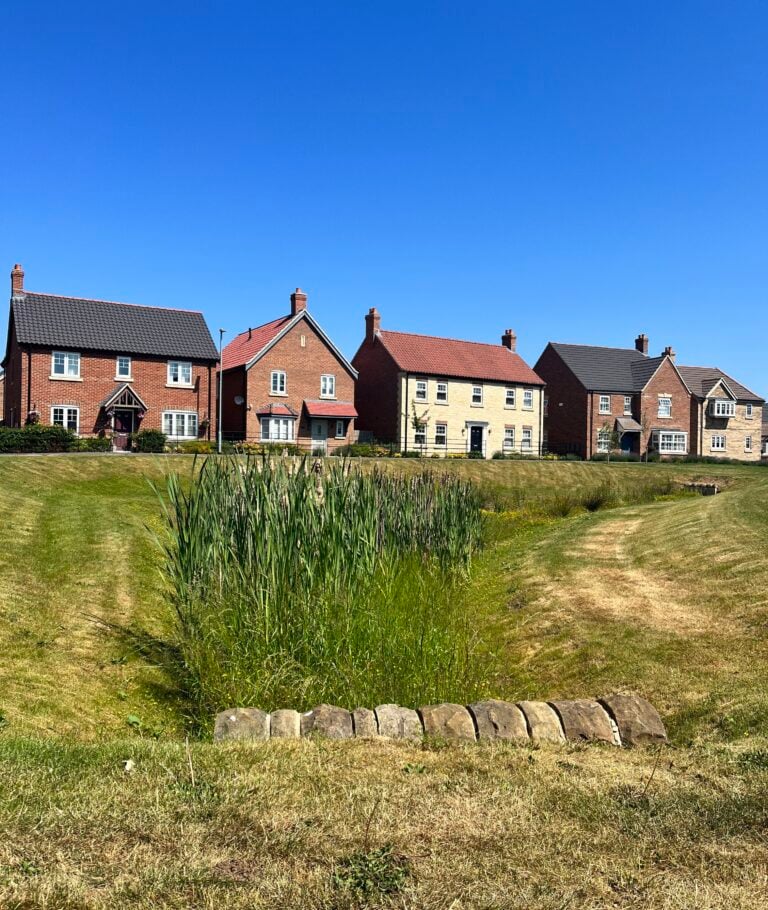
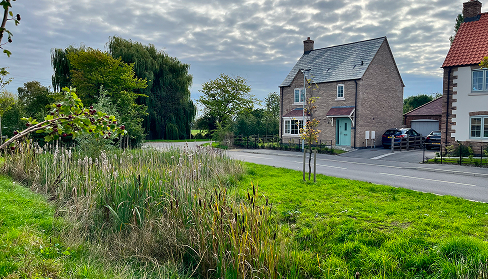
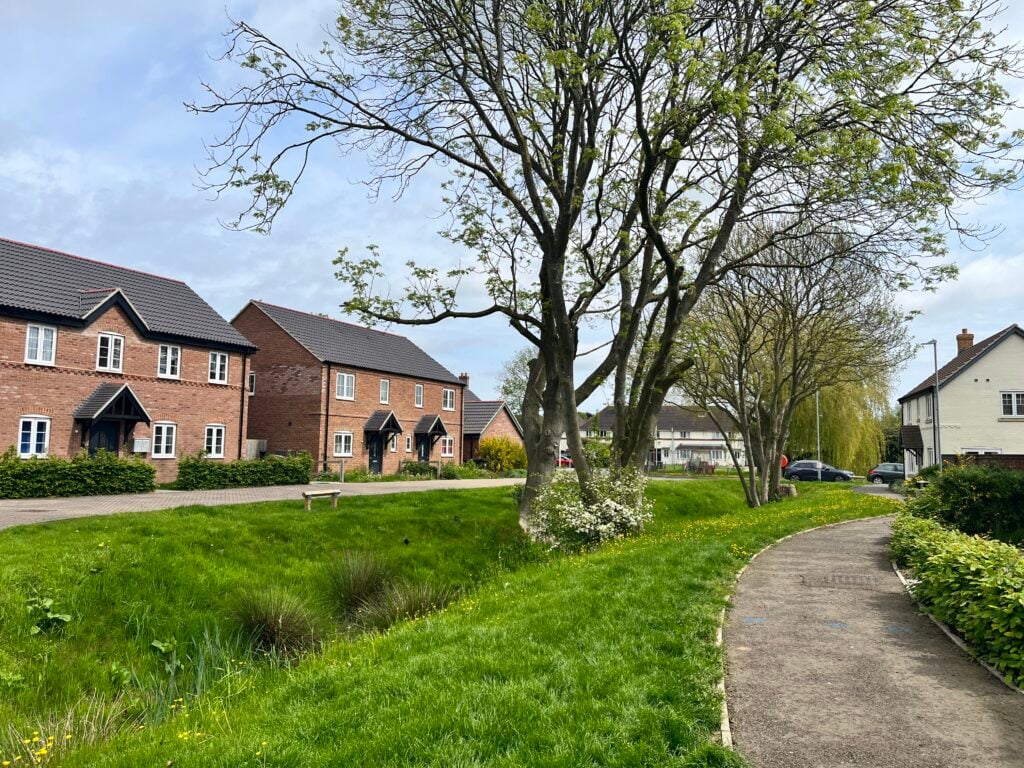
BSfL represents a deliberate shift away from a standards-led approach towards a place-led one. Rather than asking whether a street simply complies with highway requirements, it encourages everyone involved in the planning process to consider how streets function as places: supporting walking, cycling, biodiversity, sustainable drainage, community interaction, and local identity, while continuing to meet the operational needs of the highway network.
It is now referenced in pre-application discussions and formal planning responses, creating a common language for developers, local planning authorities, and highway officers. Early feedback suggests it is improving clarity, consistency, and confidence in discussions about street design, drainage, and placemaking.
One key lesson is that this approach can be used elsewhere. While BSfL was developed specifically for Lincolnshire, its principles can be applied across the country. By putting placemaking at the core of highway authority decision-making, local authorities can enhance their influence on development quality, promote healthier and more sustainable communities, and offer greater certainty for everyone involved in the planning process.
Better Streets for Lincolnshire represents a new way of working. One that sees the Highway Authority as an active partner in creating spaces where streets support movement, community, and quality of life equally.