Planning for Sustainable and Resilient Growth: What the Updated NPPF Means for Development Management
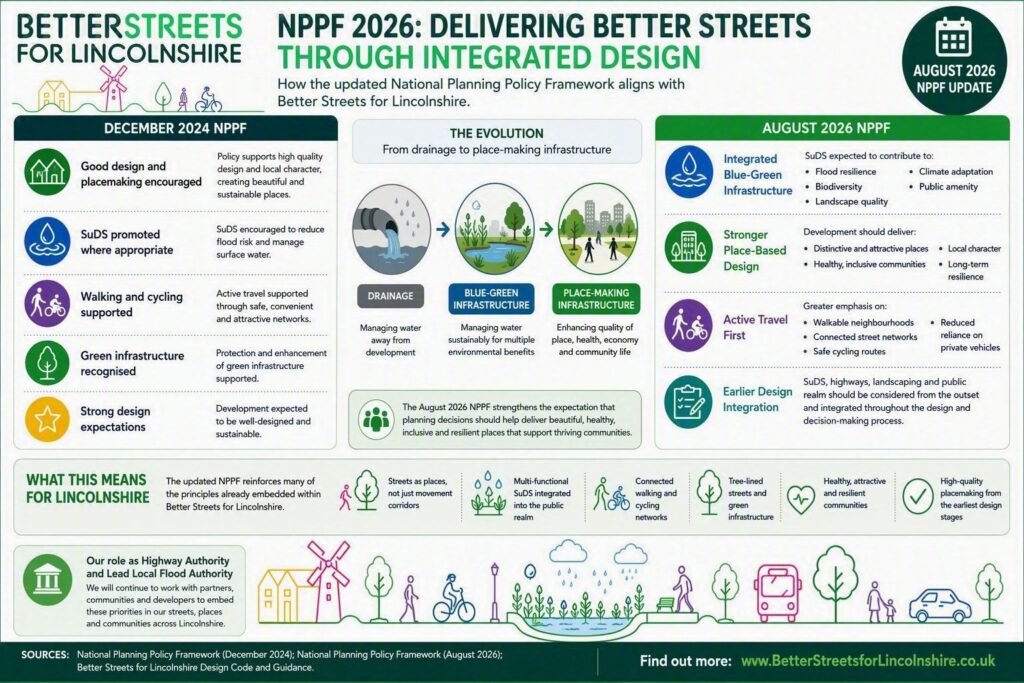
Good development starts with good design, and that means getting highways, movement and drainage right from the very beginning.
The latest National Planning Policy Framework (NPPF) continues to reinforce the importance of sustainable, safe and resilient development. For our Development Management team, this provides a clear opportunity to work with applicants and planning partners at an early stage to help shape proposals that work well for people, places and the environment.
Our role is not simply to assess what is submitted. We help identify opportunities, resolve issues early and ensure that highways, active travel and drainage are properly embedded in the design of new development.
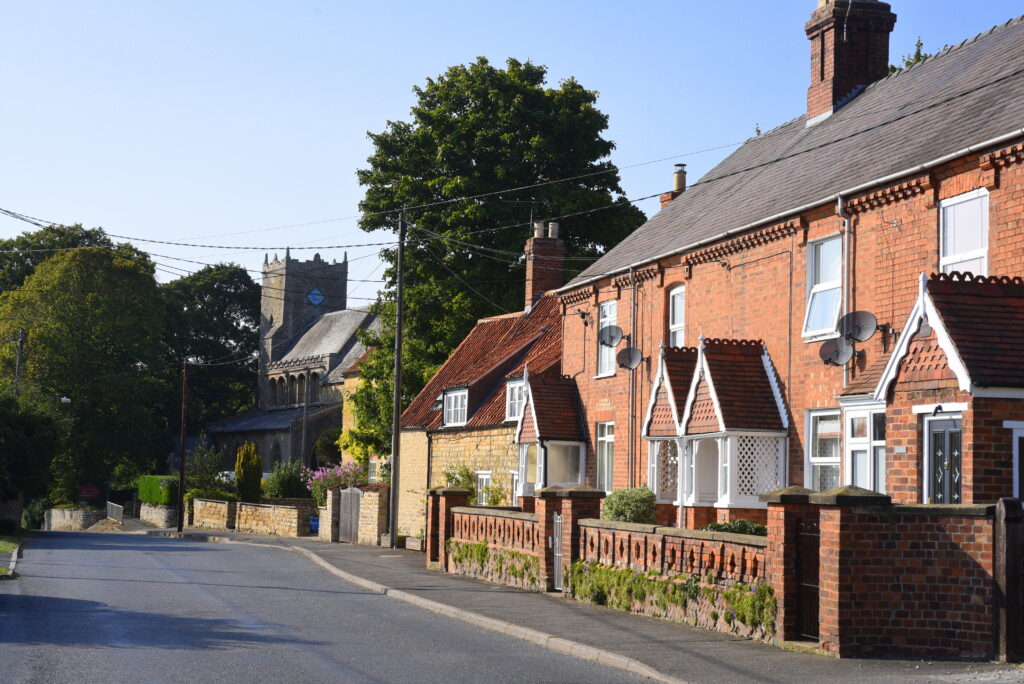
The NPPF places greater emphasis on a vision-led approach to transport. This means looking beyond vehicle numbers and asking a more fundamental question:
What kind of place is this development trying to create, and how will people move around it?
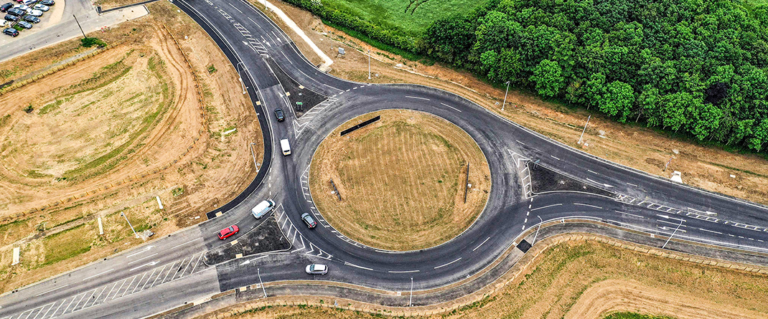
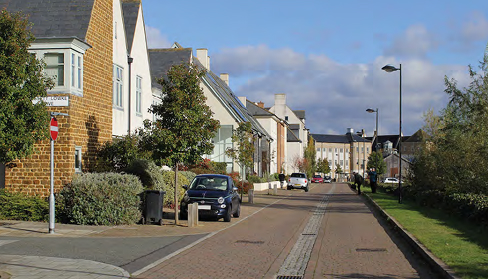
Through our Development Management work, we look at how proposals connect with their surroundings and whether they provide safe and convenient opportunities to walk, wheel and cycle, alongside appropriate access to public transport.
This includes considering connections to:
- Local shops and services
- Schools and community facilities
- Employment areas
- Public transport
- Existing walking and cycling networks
Our aim is to ensure that movement is considered as part of the whole development, rather than being something addressed once the layout has already been established.
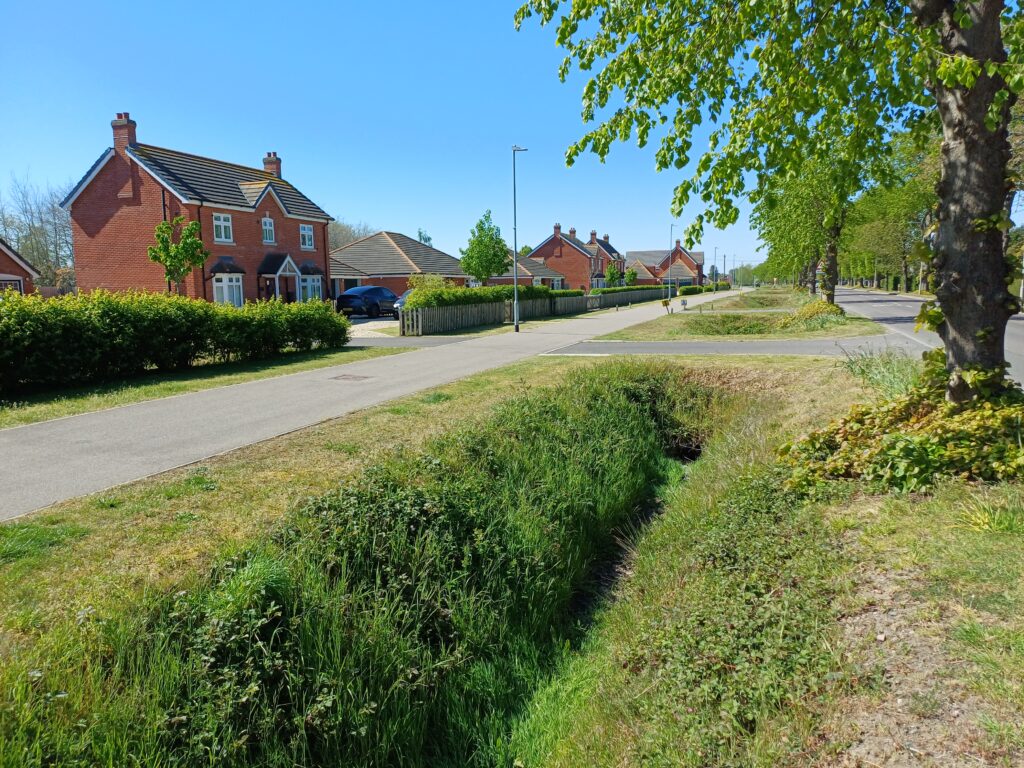
Active travel is a key part of creating sustainable communities.
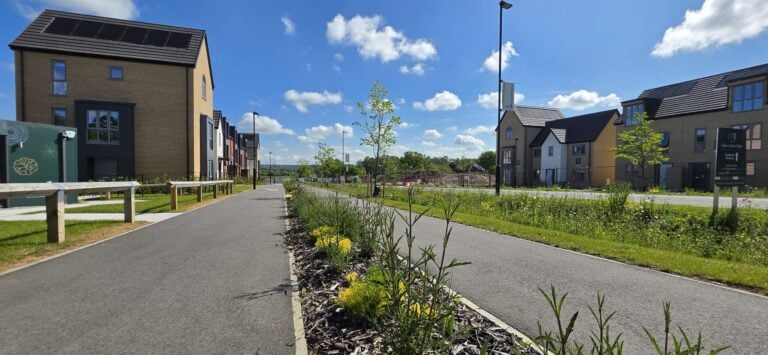
We will continue to identify opportunities for developments to provide safe, attractive and well-connected walking, wheeling and cycling routes, making it easier for people to reach the places they need to get to.
Where relevant, we draw on evidence and strategies such as Local Cycling and Walking Infrastructure Plans (LCWIPs), active travel plans and local transport strategies to help inform what improvements may be appropriate.
For applicants, the message is simple:
Think beyond the site boundary. Good connections create better places.
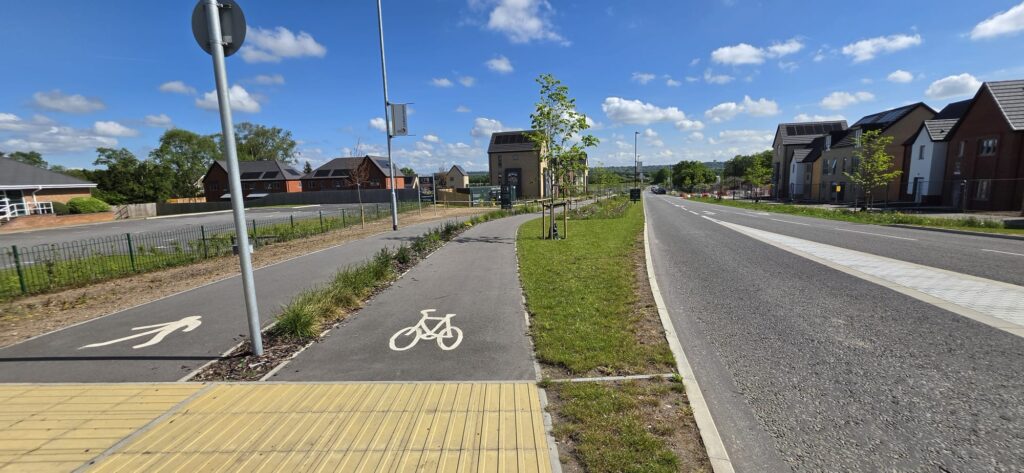
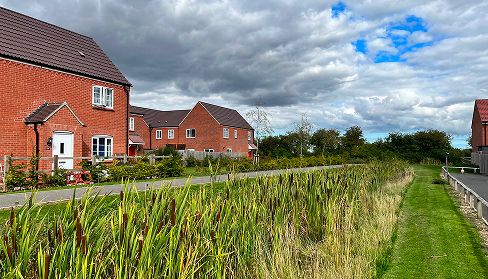
Surface water management is another area where early design thinking makes a real difference.
The updated NPPF reinforces the importance of Sustainable Drainage Systems (SuDS) and requires planning decisions to take account of the National Standards for Sustainable Drainage Systems. This reflects a growing national focus on managing surface water in a way that is sustainable, resilient and integrated into the design of development.
Our Development Management team will continue to seek robust SuDS proposals that demonstrate how surface water will be managed safely and effectively throughout the lifetime of a development.
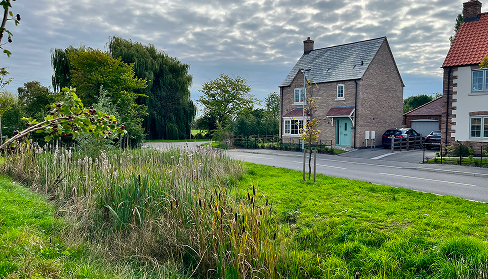
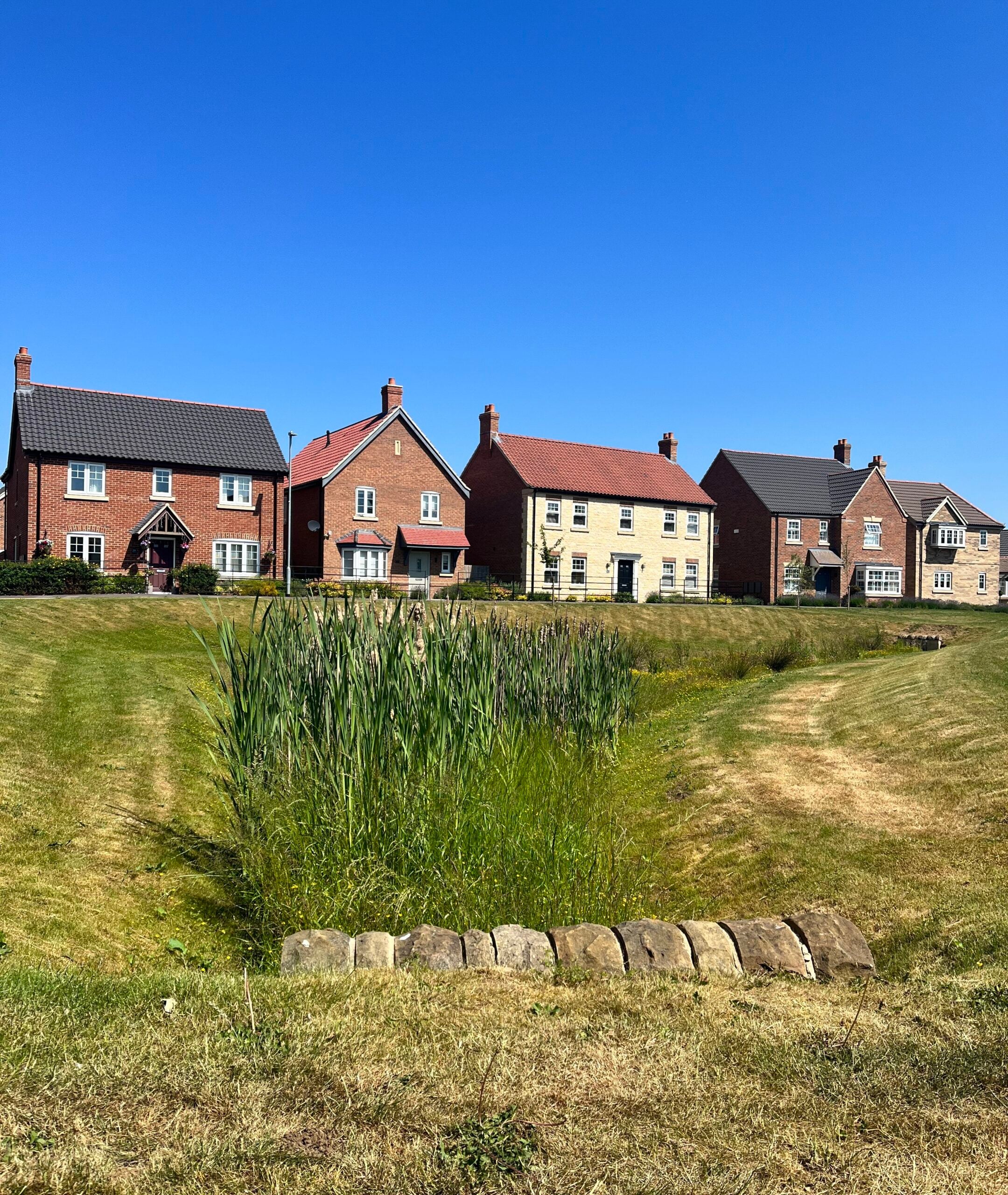
The most successful schemes treat drainage as an integral part of placemaking rather than an engineering solution added after the layout has been agreed.
This may include features such as:
- Swales
- Ponds and wetlands
- Rain gardens
- Permeable surfaces
- Other above-ground drainage features
Well-designed SuDS can provide multiple benefits, including reducing flood risk, improving water quality, enhancing biodiversity, supporting climate resilience and creating attractive green infrastructure for communities.
Early consideration of drainage requirements can also help applicants avoid redesign, additional costs and delays later in the planning process.
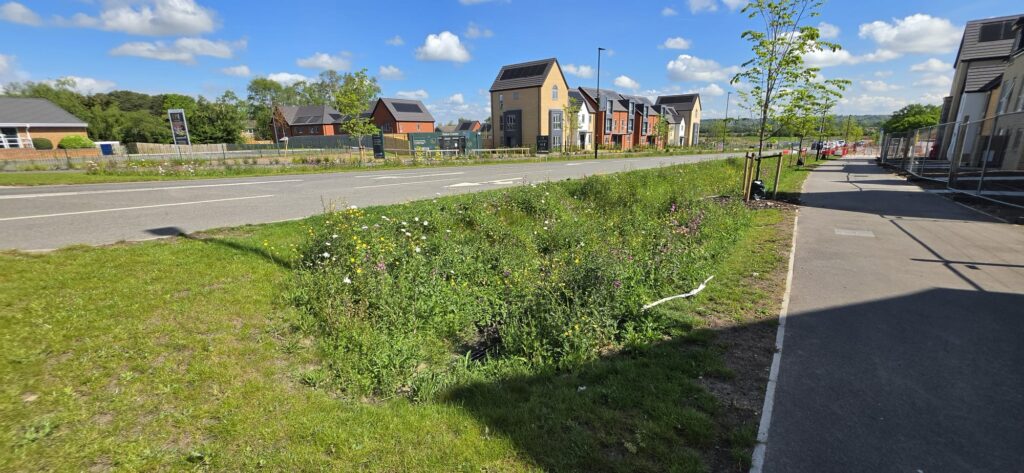
At the heart of our Development Management approach is early and constructive engagement.
We work with developers, agents, planning authorities and colleagues across the Council to identify potential highways, active travel and drainage issues as early as possible.
This helps everyone involved to:
Identify problems sooner.
Find solutions earlier.
Reduce delays.
Improve the quality of development.
Early dialogue is therefore more than a planning process requirement, it is an opportunity to add value and help create schemes that are practical, sustainable and resilient.
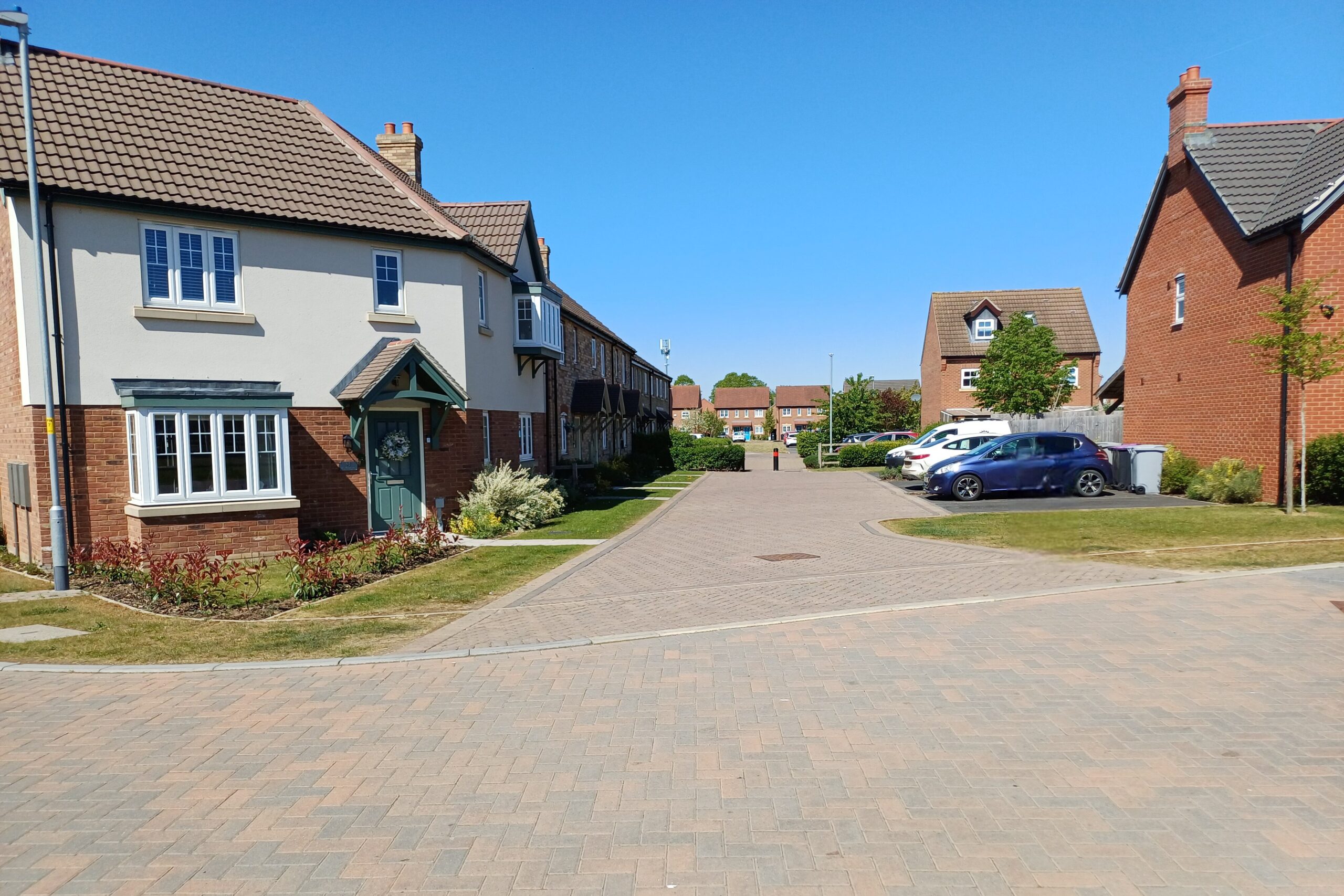
Sustainable growth is not simply about delivering more development. It is about creating places that work, now and into the future.
By bringing our highways, movement and drainage expertise into the process at an early stage, our Development Management team can help ensure that new development is safe, connected, accessible, sustainable and resilient.
Our message to applicants is clear: bring us in early, design it in from the start, and together we can help deliver better places for future communities.